
The best psychology colleges combine strong faculty research, real access to labs and internships, and regional accreditation from a recognized institutional accreditor. This guide features 50 of the best psychology colleges in the country, chosen for research depth, faculty access, and program reputation, ranging from large public flagships to small liberal arts colleges, so you can match a program to your goals and your budget.


Psychology remains one of the most popular undergraduate majors in the country, and it opens doors to fields like data science, UX research, and behavioral health, though many of those paths require additional training or credentials beyond the bachelor’s degree. Ranking the best psychology colleges isn’t an exact science, so the 50 schools below were selected using the criteria explained on our methodology page: faculty research output, breadth of concentrations, access to labs and internships, and overall institutional reputation. This isn’t a scored, points-based ranking. It’s a curated list presented in order of overall fit against those criteria, so treat the order as a guide to programs worth researching further, not a scoreboard.
B.A. vs. B.S. in Psychology: Which Fits Your Goals?
Most of the schools below offer a B.A. in Psychology, and a handful also offer a B.S. or a related B.S. track (cognitive science, psychobiology, neuroscience). The core coursework overlaps heavily. The real difference is in emphasis: a B.A. typically emphasizes research methods, statistics, and broader liberal arts requirements, while a B.S. adds more lab science, math, or biology coursework. Neither path is “better.” Graduate psychology programs weigh your coursework, research experience, and GPA far more heavily than whether your diploma says B.A. or B.S., so pick the track that matches your interests and your school’s other degree requirements.
50 Best Undergraduate Psychology Programs at a Glance
The table below is ranked in the same order as the full write-ups. Tuition figures are the current published out-of-state (or single, private-university) rate, which changes annually. Always confirm the current number on the school’s own site before applying. Every school on this list holds institutional accreditation, an important baseline for transfer credit, financial aid, and graduate school recognition. Note that APA accreditation applies to health service psychology programs (doctoral programs, internships, postdoctoral residencies, and some master’s programs), not to bachelor’s degrees, so a psychology B.A. or B.S. is evaluated on the school’s institutional accreditation, not on APA status.
1. Stanford University
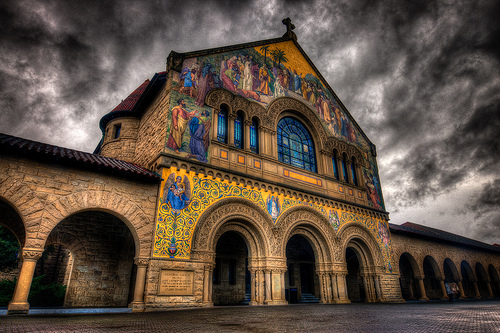
Stanford’s psychology department is organized around affective science, cognitive and social psychology, developmental psychology, and neuroscience, with close ties between undergraduates, faculty, and graduate researchers. Students can pursue research in faculty labs, depending on lab openings and faculty needs, which is a real option worth exploring for anyone weighing a psychology PhD down the line.
Accreditation: Accredited by the WASC Senior College and University Commission (WSCUC).
Tuition: ~$67,731 per year (2025-26). Confirm the current rate on Stanford’s site.
Acceptance rate: ~4% (highly selective; check Stanford admissions for the current cycle).
Program link: Stanford’s Psychology Department
2. Yale University
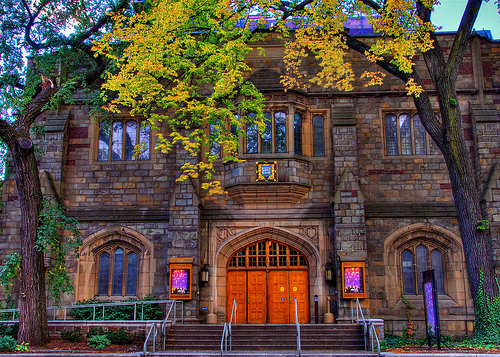
Yale’s psychology department connects to an unusually dense network of on-campus research centers, spanning clinical, developmental, cognitive, and social psychology. The department’s size means undergraduates can find a faculty mentor working in nearly any subfield they’re drawn to, and cross-listing with neuroscience gives students a path into more biologically oriented coursework without leaving the department.
Accreditation: Accredited by the New England Commission of Higher Education (NECHE).
Tuition: ~$69,900 per year (2025-26). Confirm the current rate on Yale’s site.
Acceptance rate: ~4% (highly selective; check Yale admissions for the current cycle).
Program link: Yale’s Psychology Department
3. Harvard University
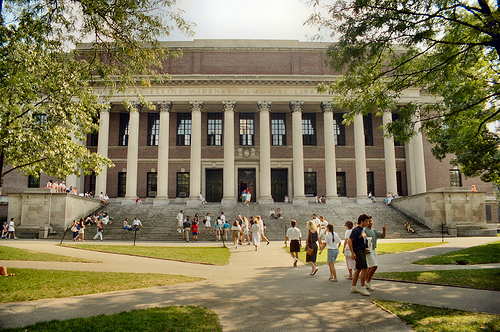
Harvard’s psychology department has one of the longest research traditions in the country, with current faculty organized into the areas of cognition, brain and behavior, developmental and social psychology, and clinical science. The breadth of concentrations means students can lean toward a more clinical track or a more experimental, lab-based track within the same major.
Accreditation: Accredited by NECHE.
Tuition: ~$59,320 per year (2025-26). Confirm the current rate on Harvard’s site.
Acceptance rate: ~4% (highly selective; check Harvard admissions for the current cycle).
Program link: Harvard’s Psychology Program
4. University of Pennsylvania
Penn’s psychology faculty split their research into two broad tracks: brain, cognitive, and decision science, and clinical, positive, and social psychology. That structure gives students an early choice between a more neuroscience-adjacent path and a more applied, clinically oriented path while still sharing core coursework.
Accreditation: Accredited by the Middle States Commission on Higher Education (MSCHE).
Tuition: ~$63,204 per year (2025-26). Confirm the current rate on Penn’s site.
Acceptance rate: ~5% (Class of 2029: 4.9%).
Program link: Penn’s Psychology Department
5. University of Michigan, Ann Arbor
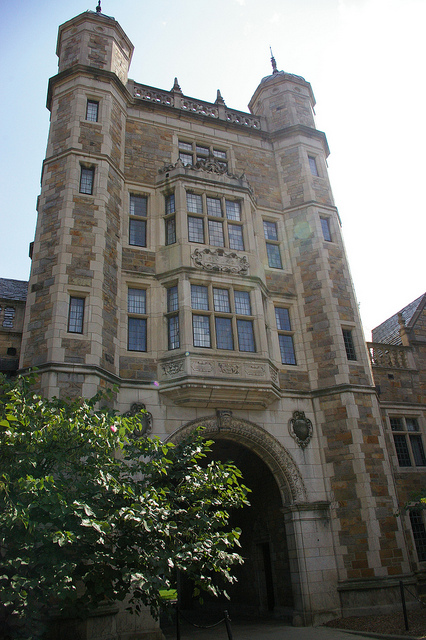
Michigan’s psychology department is one of the largest in the country, with well over 100 faculty members spanning nearly every subfield of the discipline. That scale means a wide catalog of specialized courses and a correspondingly lower barrier to finding a lab that matches a specific research interest.
Accreditation: Accredited by the Higher Learning Commission (HLC).
Tuition: ~$63,081 per year out-of-state (2024-25, most recent published figure). Confirm the current rate on Michigan’s site.
Acceptance rate: ~18% (moderately selective).
Program link: Michigan’s Psychology Department
6. University of Minnesota, Twin Cities
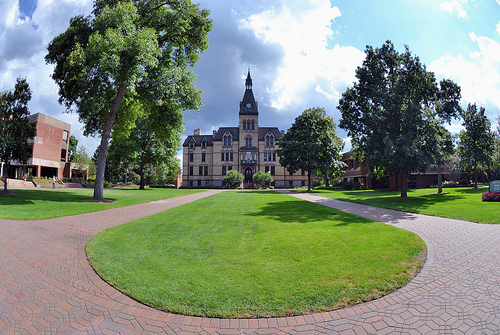
Minnesota’s psychology department spans biological psychopathology, clinical science, cognitive and brain science, counseling psychology, industrial-organizational psychology, personality and behavior genetics, and social psychology, and it carries an unusually deep grant-funded research portfolio for a public university, which translates into more paid research assistant positions for undergrads.
Accreditation: Accredited by the HLC.
Tuition: ~$38,362 per year out-of-state (2024-25, most recent published figure). Confirm the current rate on Minnesota’s site.
Acceptance rate: ~70% (broadly accessible).
Program link: Minnesota’s Psychology Department
7. University of California, Berkeley

Berkeley’s psychology faculty work across behavioral neuroscience, developmental change, clinical science, cognition and behavior, and social-personality psychology, and undergraduates interested in clinical psychology can get exposure to clinical research through the department’s own psychology clinic, a rare in-house resource at the undergraduate level.
Accreditation: Accredited by WSCUC.
Tuition: ~$48,726 per year out-of-state (2025-26, systemwide UC tuition plus nonresident supplemental tuition). Confirm the current rate on Berkeley’s site.
Acceptance rate: ~11% (highly selective).
Program link: Berkeley’s Psychology Department
8. Columbia University
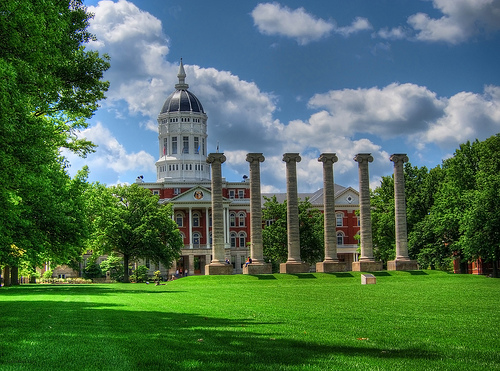
Columbia has one of the oldest continuously operating psychology programs in the country, and its faculty regularly collaborate across departments, including biology, business, psychiatry, and the university’s fMRI research center, giving undergraduates access to interdisciplinary projects that aren’t limited to a single department’s resources.
Accreditation: Accredited by MSCHE.
Tuition: ~$70,517 per year (2025-26). Confirm the current rate on Columbia’s site.
Acceptance rate: ~4% (highly selective).
Program link: Columbia’s Psychology Department
9. Johns Hopkins University
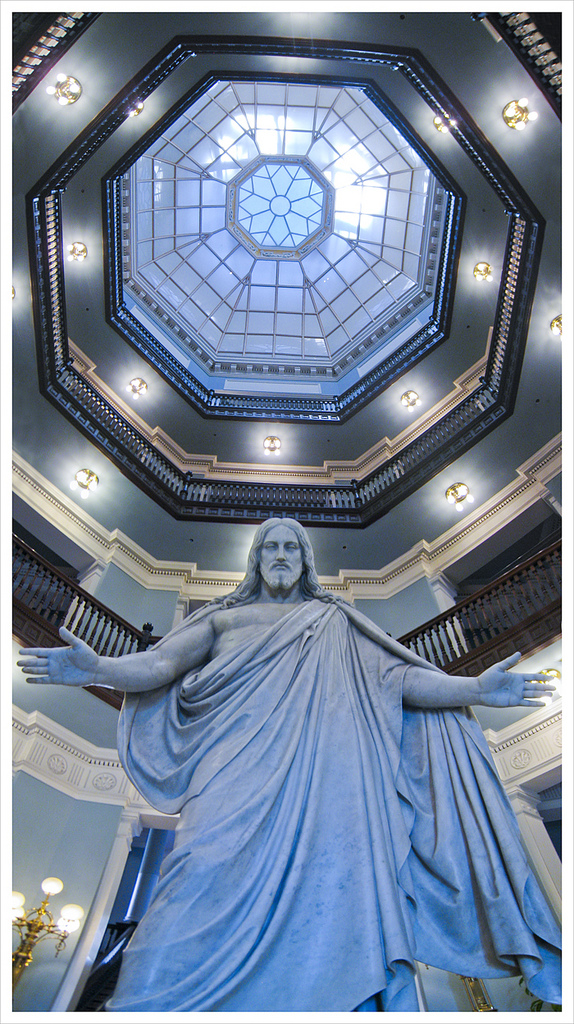
Johns Hopkins is historically associated with one of the first psychology laboratories in the United States, and its psychology and brain sciences department remains connected to one of the country’s leading medical institutions, giving undergraduates research access that would typically only be available at a much larger university. Starting with the 2026-27 academic year, Hopkins is also expanding financial aid to cover tuition for domestic students from families earning up to $200,000 a year, which is worth checking if cost is a factor.
Accreditation: Accredited by MSCHE.
Tuition: ~$66,670 per year (2025-26) before the new aid initiative. Confirm current rate and aid eligibility on Hopkins’ site.
Acceptance rate: ~6% (highly selective).
Program link: Johns Hopkins’ Psychological and Brain Sciences Department
10. University of Chicago
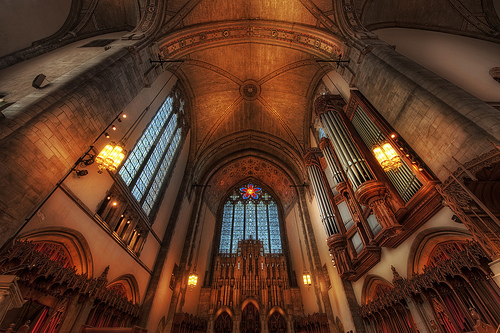
Rather than assigning students to a fixed track, UChicago’s psychology department encourages students to work with the director of research to build a self-directed concentration early on, which suits students who already have a specific research question in mind rather than a preference for a preset subfield.
Accreditation: Accredited by the HLC.
Tuition: ~$71,325 per year (2025-26). Confirm the current rate on UChicago’s site.
Acceptance rate: ~5% (highly selective).
Program link: UChicago’s Psychology Department
11. University of Illinois, Urbana-Champaign
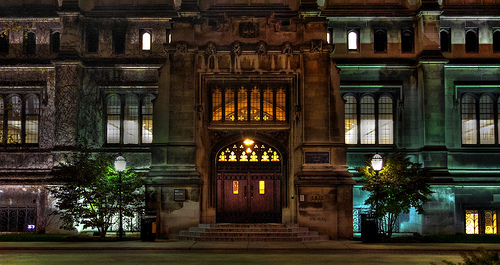
Illinois’ psychology department is known for its high research output relative to its size and emphasizes interdisciplinary collaboration. Hence, students routinely partner with other science departments on joint projects rather than working in a psychology-only silo.
Accreditation: Accredited by the HLC.
Tuition: ~$40,096 per year out-of-state (2024-25, most recent published figure). Confirm the current rate on Illinois’ site.
Acceptance rate: ~44% (moderately selective).
Program link: Illinois’ Psychology Department
12. University of California, San Diego

UC San Diego splits its psychology offerings into a B.A. track built around personal and theoretical interests and a B.S. track with heavier lab work and experimental analysis requirements, giving students a real choice in how quantitative their coursework becomes.
Accreditation: Accredited by WSCUC.
Tuition: ~$48,700 per year out-of-state (2025-26, systemwide UC tuition plus nonresident supplemental tuition, shared across UC campuses). Confirm the current rate on UCSD’s site.
Acceptance rate: ~24% (moderately selective).
Program link: UCSD’s Psychology Department
13. University of California, Los Angeles
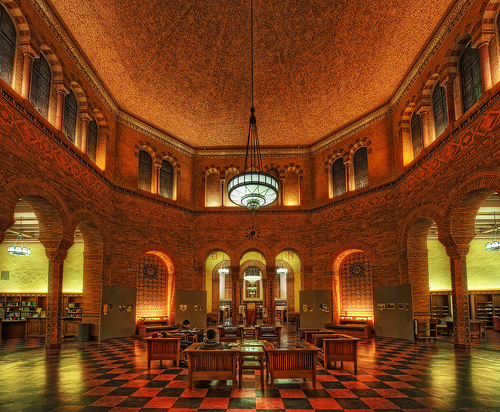
UCLA offers three distinct undergraduate tracks: Psychology (B.A.), Cognitive Science (B.S.), and Psychobiology (B.S.), which lets students specialize earlier than most programs, in areas spanning animal behavior, learning and memory, perception, and community and health psychology.
Accreditation: Accredited by WSCUC.
Tuition: ~$48,700 per year out-of-state (2025-26, systemwide UC tuition plus nonresident supplemental tuition, shared across UC campuses). Confirm the current rate on UCLA’s site.
Acceptance rate: ~9% (highly selective).
Program link: UCLA’s Psychology Department
14. Indiana University, Bloomington
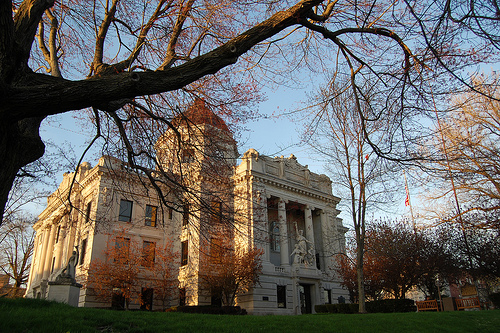
Indiana has one of the country’s longer-running psychology laboratory traditions, dating back to the 1880s. It offers separate psychology and neuroscience majors, giving students an early choice between a broad behavioral-science path and one geared more toward graduate work in neuroscience or medicine.
Accreditation: Accredited by the HLC.
Tuition: ~$42,295 per year out-of-state (2025-26). Confirm the current rate on Indiana’s site.
Acceptance rate: ~78% (broadly accessible).
Program link: Indiana’s Psychology Department
15. University of Colorado, Boulder
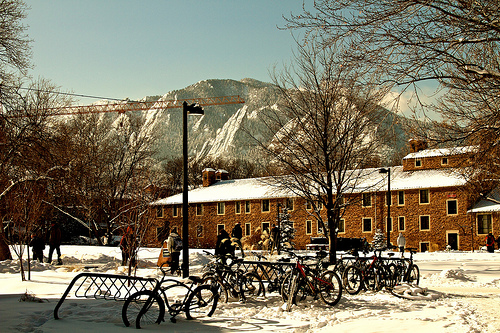
CU Boulder combines its psychology and neuroscience departments under one roof, with research spanning clinical psychology, behavioral genetics, and social and cognitive psychology, and it encourages interdisciplinary study through several interdepartmental institutes on campus.
Accreditation: Accredited by the HLC.
Tuition: ~$43,000 per year out-of-state (2025-26). Confirm the current rate on CU Boulder’s site.
Acceptance rate: ~84% (broadly accessible).
Program link: CU Boulder’s Psychology and Neuroscience Department
16. Carnegie Mellon University
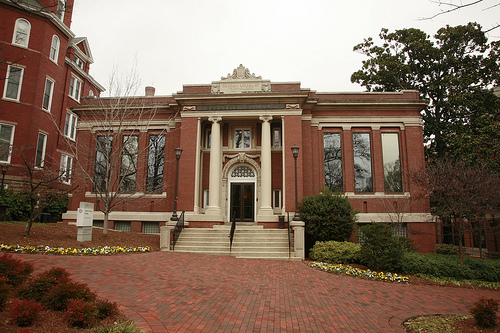
Carnegie Mellon offers a standard B.A. or B.S. in Psychology, as well as a combined psychology-and-biology B.S., and its students have direct ties to campus research centers, including the Center for the Neural Basis of Cognition and the Pittsburgh Science of Learning Center.
Accreditation: Accredited by MSCHE.
Tuition: ~$67,020 per year (2025-26). Confirm the current rate on Carnegie Mellon’s site.
Acceptance rate: ~12% (highly selective).
Program link: Carnegie Mellon’s Psychology Department
17. University of Wisconsin, Madison
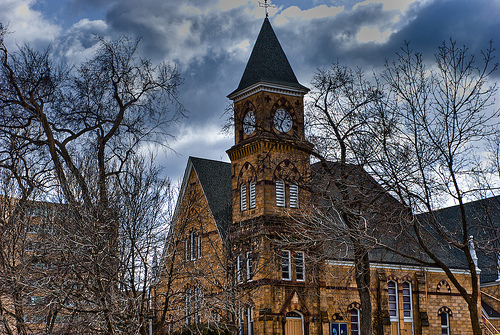
Wisconsin’s psychology department carries a strong federally funded research portfolio for its size, with concentrations spanning the biology of brain and behavior, clinical psychology, cognitive neuroscience, developmental psychology, and social and personality psychology.
Accreditation: Accredited by the HLC.
Tuition: ~$42,531 per year out-of-state (2025-26). Confirm the current rate on Wisconsin’s site.
Acceptance rate: ~43% (moderately selective).
Program link: Wisconsin’s Psychology Department
18. Massachusetts Institute of Technology
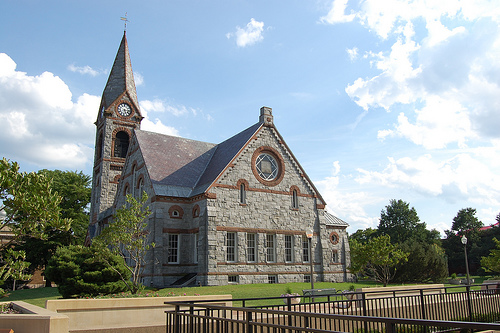
MIT’s brain and cognitive sciences program blends biology, neuroscience, and psychology, with research spanning vision, movement systems, memory, and language, and gives undergraduates access to the same labs and equipment used by the department’s graduate researchers.
Accreditation: Accredited by NECHE.
Tuition: ~$64,310 per year (2025-26). Confirm the current rate on MIT’s site.
Acceptance rate: ~4% (highly selective).
Program link: MIT’s Brain and Cognitive Sciences Department
19. Princeton University
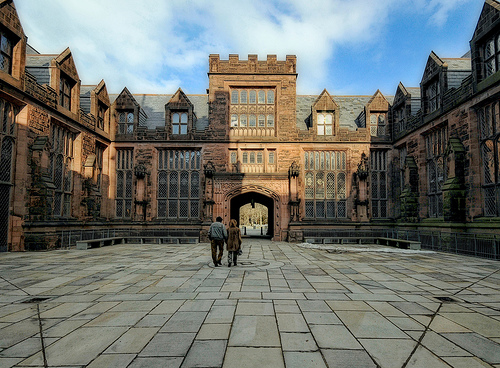
Princeton undergraduates work directly with faculty on experimental methods, including fMRI, reaction-time analysis, and computational modeling, with concentrations spanning social and clinical psychology, developmental and cognitive psychology, and cognitive and behavioral neuroscience.
Accreditation: Accredited by MSCHE.
Tuition: ~$65,210 per year (2025-26). Confirm the current rate on Princeton’s site.
Acceptance rate: ~4% (highly selective).
Program link: Princeton’s Psychology Department
20. University of Washington
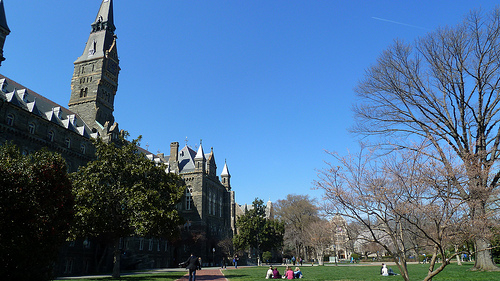
The University of Washington’s psychology department is one of its largest, and it’s actively building an interdisciplinary research-facilitation program to broaden collaboration among undergraduates, faculty, and graduate researchers, alongside a strong internship pipeline.
Accreditation: Accredited by the Northwest Commission on Colleges and Universities (NWCCU).
Tuition: ~$43,209 per year out-of-state (2025-26). Confirm the current rate on UW’s site.
Acceptance rate: ~45% (moderately selective).
Program link: UW’s Psychology Department
21. University of Oregon
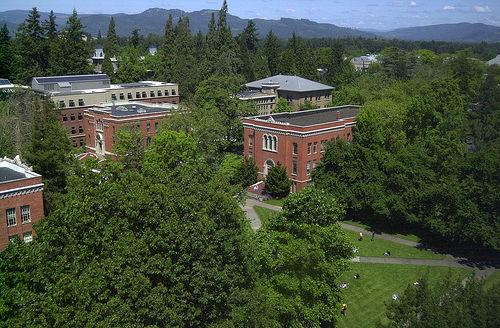
Oregon’s psychology program is tied to an unusually large cluster of affiliated research centers, including the Institute of Neuroscience, the Institute of Cognitive and Decision Sciences, and the Oregon Social Learning Center, and faculty work to tailor the program to individual students’ research interests.
Accreditation: Accredited by NWCCU.
Tuition: ~$43,226 per year out-of-state (2025-26). Confirm the current rate on Oregon’s site.
Acceptance rate: ~85% (broadly accessible).
Program link: Oregon’s Psychology Department
22. Cornell University
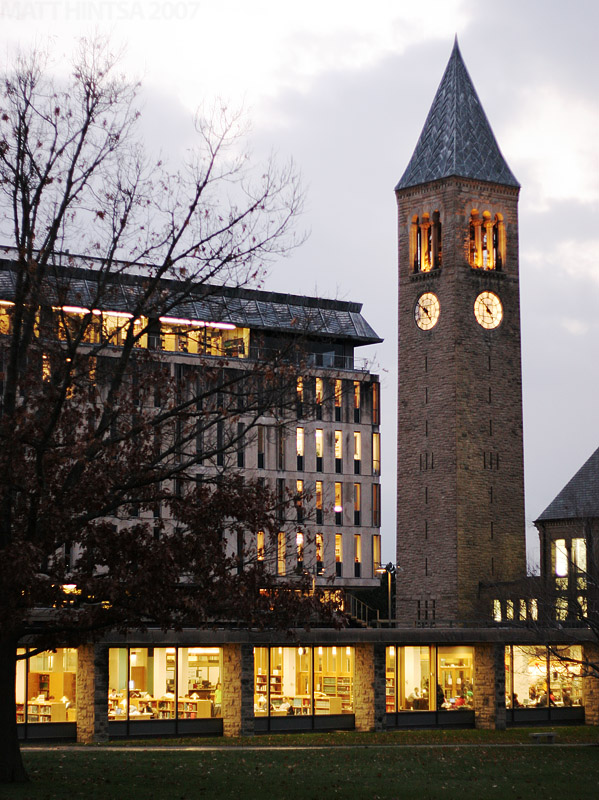
Cornell’s psychology department offers concentrations in biopsychology and personality and social psychology, with a long-running emphasis on written and communication skills alongside the critical analysis of published research, which is useful preparation for anyone planning graduate study.
Accreditation: Accredited by MSCHE.
Tuition: ~$71,266 per year (2025-26, endowed College of Arts and Sciences rate). Confirm the current rate on Cornell’s site.
Acceptance rate: ~8% (highly selective).
Program link: Cornell’s Psychology Department
23. University of Iowa
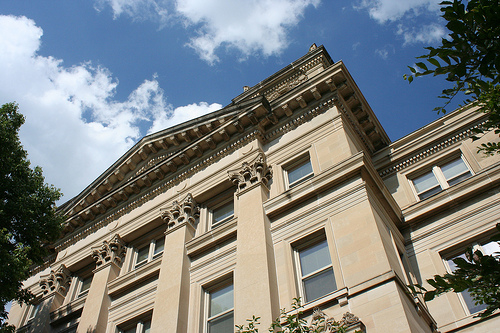
The University of Iowa’s Department of Psychological and Brain Sciences is one of the oldest in the country. It counts influential researchers like Kenneth Spence and Albert Bandura among its faculty. It continues to emphasize experimental and cognitive research alongside clinical training.
Accreditation: Accredited by the HLC.
Tuition: ~$33,710 per year out-of-state (2025-26). Confirm the current rate on Iowa’s site.
Acceptance rate: ~85% (broadly accessible).
Program link: Iowa’s Psychological and Brain Sciences Department
24. University of Texas, Austin
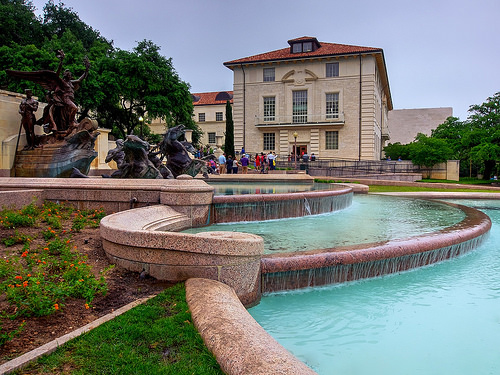
UT Austin’s psychology program trains students in experimental design and statistics to critically evaluate published research, and its Undergraduate Summer Research Experience places students directly alongside faculty and graduate research teams. Many graduates go on to further study in psychology, and others move into business, social work, health-related professions, education, or law.
Accreditation: Accredited by the Southern Association of Colleges and Schools Commission on Colleges (SACSCOC).
Tuition: ~$44,908 per year out-of-state (2025-26). Confirm the current rate on UT Austin’s site.
Acceptance rate: ~31% overall (out-of-state admits run lower, closer to 8-13%, due to a state cap on nonresident enrollment).
Program link: UT Austin’s Psychology Department
25. University of North Carolina, Chapel Hill

UNC Chapel Hill’s psychology department has strong grant-funded research connections, and it offers a B.A. and a B.S. in Psychology, with an optional minor in cognitive science for those who want to lean more toward the technical.
Accreditation: Accredited by SACSCOC.
Tuition: ~$43,152 per year out-of-state (2025-26). Confirm the current rate on UNC’s site.
Acceptance rate: ~17% (highly selective).
Program link: UNC’s Psychology Department
26. Brown University
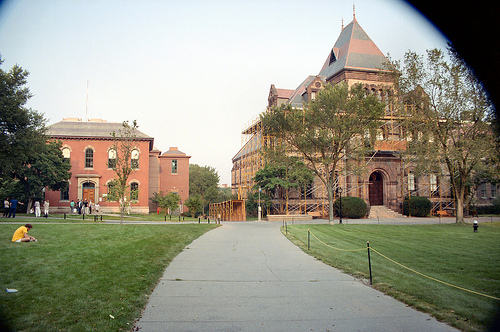
Brown’s psychology offerings now sit inside its Department of Cognitive, Linguistic, and Psychological Sciences, an integrated structure that lets students combine general psychology with cognitive neuroscience, cognitive science, or linguistics without switching departments.
Accreditation: Accredited by NECHE.
Tuition: ~$71,700 per year (2025-26). Confirm the current rate on Brown’s site.
Acceptance rate: ~5% (highly selective).
Program link: Brown’s Cognitive, Linguistic, and Psychological Sciences Department
27. Northwestern University
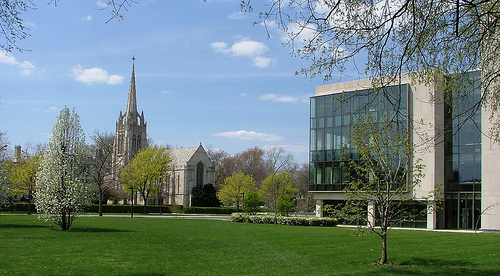
Northwestern’s psychology department has operated continuously for over a century and channels undergraduates into independent research through work-study positions, academic-year grants, and summer fellowships, providing structured paths into faculty labs outside the classroom.
Accreditation: Accredited by the HLC.
Tuition: ~$69,375 per year (2025-26). Confirm the current rate on Northwestern’s site.
Acceptance rate: ~7% (highly selective).
Program link: Northwestern’s Psychology Department
28. Stony Brook University
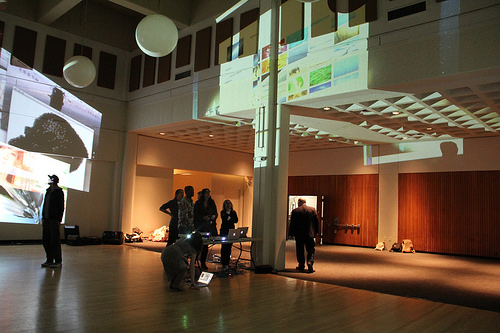
Stony Brook’s psychology department emphasizes out-of-classroom experience through independent research, community-service placements, and research assistantships alongside internationally recognized faculty, and it lets students choose between a B.A. and a B.S.
Accreditation: Accredited by MSCHE.
Tuition: ~$32,741 per year out-of-state (2025-26). Confirm the current rate on Stony Brook’s site.
Acceptance rate: ~44% (moderately selective).
Program link: Stony Brook’s Psychology Department
29. Duke University
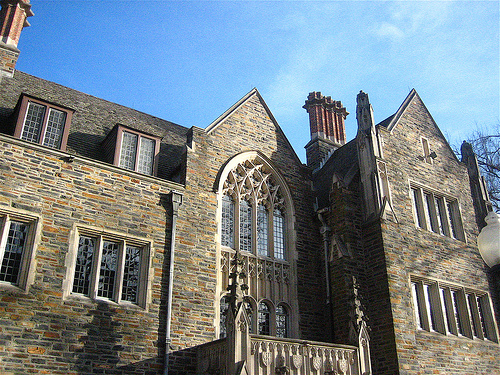
Duke’s Department of Psychology and Neuroscience lets undergraduates declare a dedicated neuroscience major early on, and it rewards successful student research proposals with stipends and other financial support.
Accreditation: Accredited by SACSCOC.
Tuition: ~$70,265 per year (2025-26). Confirm the current rate on Duke’s site.
Acceptance rate: ~5% (Class of 2029: 4.8%).
Program link: Duke’s Psychology and Neuroscience Department
30. Pennsylvania State University, University Park
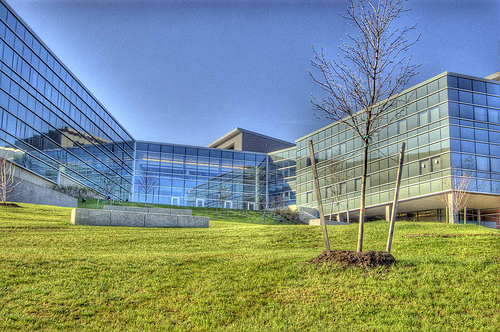
Penn State offers both a B.A. and a B.S. in Psychology and puts real weight behind program self-assessment, regularly revising syllabi and teaching approaches based on student outcome data rather than leaving the curriculum static year to year.
Accreditation: Accredited by MSCHE.
Tuition: ~$42,860 per year out-of-state (2025-26). Confirm the current rate on Penn State’s site.
Acceptance rate: ~50% (moderately selective).
Program link: Penn State’s Psychology Department
31. New York University
NYU’s psychology major is one of its most popular undergraduate programs, and students build research specializations by collaborating with faculty across a wide range of concentrations, aided by NYU’s dense network of nearby universities and medical-research partnerships in Manhattan.
Accreditation: Accredited by MSCHE.
Tuition: ~$62,796 per year (2025-26). Confirm the current rate on NYU’s site.
Acceptance rate: ~8% (highly selective).
Program link: NYU’s Psychology Department
32. University of California, Irvine
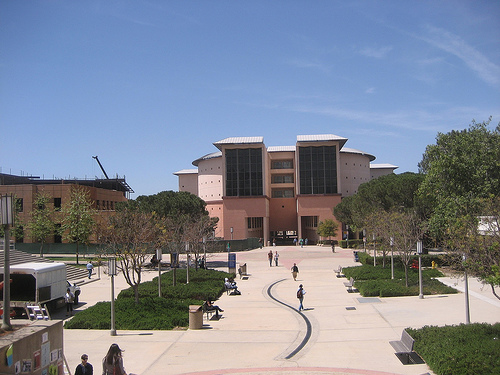
UC Irvine splits psychology across two departments, Cognitive Sciences and Psychology and Social Behavior, which lets the curriculum go deeper into each track rather than spreading a single department thin across the whole field.
Accreditation: Accredited by WSCUC.
Tuition: ~$48,700 per year out-of-state (2025-26, systemwide UC tuition plus nonresident supplemental tuition, shared across UC campuses). Confirm the current rate on UC Irvine’s site.
Acceptance rate: ~21% (moderately selective).
Program link: UC Irvine’s Psychology Departments
33. University of Florida
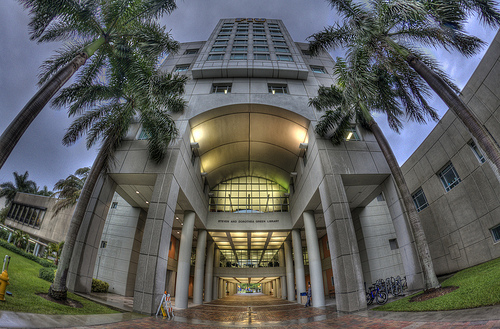
UF’s psychology program is one of its most popular majors, and students can choose the standard psychology track or a neurobiological concentration, both of which include volunteer, research, and internship components.
Accreditation: Accredited by SACSCOC.
Tuition: ~$28,659 per year out-of-state (2025-26, before a proposed nonresident increase, confirm current rate). See UF’s site for the latest figure.
Acceptance rate: ~23% (moderately selective).
Program link: UF’s Psychology Department
34. University of Virginia
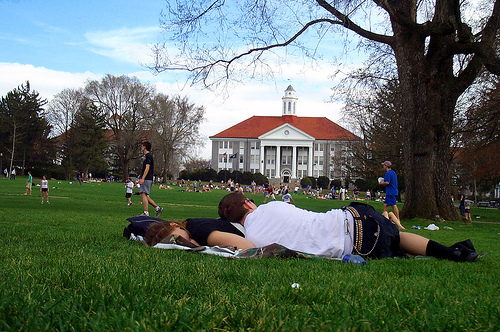
UVA hosts an annual student-run Undergraduate Psychology Conference, providing majors with a formal venue to present research alongside faculty working across seven major research areas within the department.
Accreditation: Accredited by SACSCOC.
Tuition: ~$55,436 per year out-of-state (2025-26, College of Arts & Sciences first/second-year rate). Confirm the current rate on UVA’s site.
Acceptance rate: ~16% (highly selective).
Program link: UVA’s Psychology Department
35. University of Miami
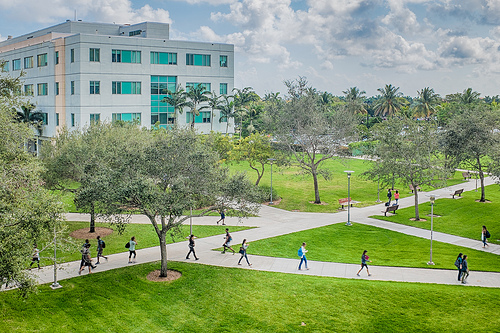
Miami runs a funded summer research program, PRIME, that gives students an early head start in psychological research, and it offers a B.A. or B.S. in Psychology alongside an interdisciplinary neuroscience major leading to a B.S. in Psychobiology.
Accreditation: Accredited by SACSCOC.
Tuition: ~$62,616 per year (2025-26). Confirm the current rate on Miami’s site.
Acceptance rate: ~19% (highly selective).
Program link: Miami’s Psychology Department
36. Ohio University
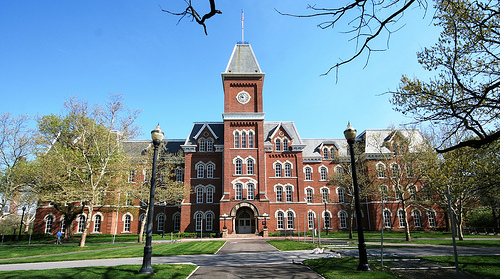
Ohio University concentrates its psychology research in health psychology, intervention design and outcome evaluation, and social judgment and behavioral decision-making, and it offers a combined psychology and pre-physical-therapy track for students eyeing that career path.
Accreditation: Accredited by the HLC.
Tuition: ~$24,838 per year out-of-state (2025-26, Athens main campus, OHIO Guarantee cohort rate). Confirm the current rate on Ohio University’s site.
Acceptance rate: ~89% (broadly accessible).
Program link: Ohio University’s Psychology Department
37. University of Georgia
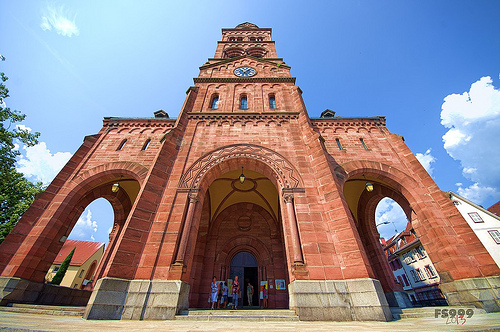
Psychology is one of the most popular majors at UGA, and its graduate psychology programs are nationally recognized in clinical psychology specifically, which gives motivated undergraduates strong exposure to clinical psychology research and coursework as they build toward graduate study.
Accreditation: Accredited by SACSCOC.
Tuition: ~$31,688 per year out-of-state (2025-26). Confirm the current rate on UGA’s site.
Acceptance rate: ~40% (moderately selective).
Program link: UGA’s Psychology Department
38. University of Massachusetts, Amherst
UMass Amherst’s psychology program emphasizes research, internship, and community involvement, and its faculty consistently secure external research grants that fund undergraduate research assistant positions alongside coursework.
Accreditation: Accredited by NECHE.
Tuition: ~$40,449 per year out-of-state (2025-26). Confirm the current rate on UMass’s site.
Acceptance rate: ~58% (moderately selective).
Program link: UMass Amherst’s Psychology Department
39. Rutgers University, New Brunswick
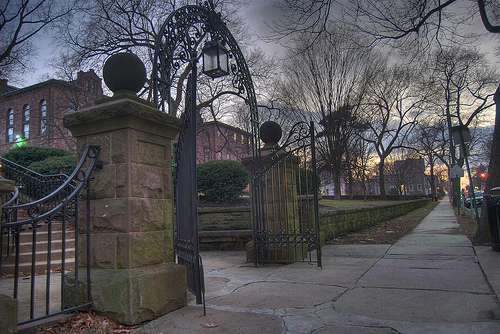
Rutgers–New Brunswick’s psychology department has more than 40 faculty members, providing students with a wide range of research perspectives, and the university’s ties to nearby laboratories, mental-health clinics, schools, and medical facilities support a strong internship pipeline.
Accreditation: Accredited by MSCHE.
Tuition: ~$37,441 per year out-of-state (2025-26, School of Arts and Sciences). Confirm the current rate on Rutgers’ site.
Acceptance rate: ~65% (moderately selective).
Program link: Rutgers’ Psychology Department
40. Michigan State University
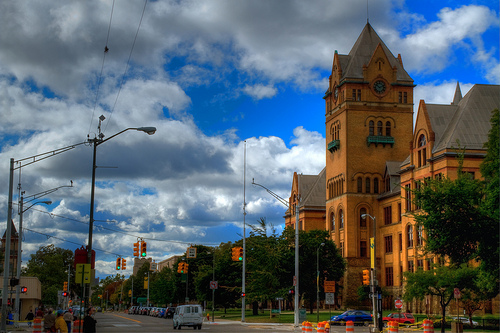
Michigan State lets psychology majors choose between a B.A. and a B.S. It offers specializations in cognitive science, health promotion, and bioethics, supported by a large, active research faculty spanning diverse concentrations.
Accreditation: Accredited by the HLC.
Tuition: ~$44,300 per year out-of-state (2025-26). Confirm the current rate on MSU’s site.
Acceptance rate: ~76% (broadly accessible).
Program link: MSU’s Psychology Department
41. Vanderbilt University
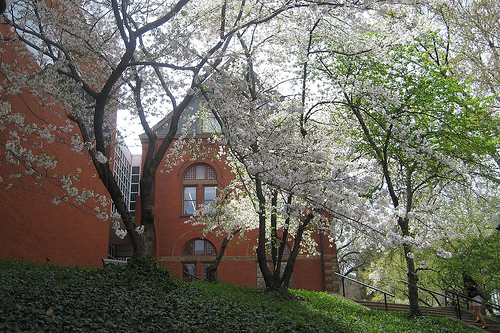
Vanderbilt’s psychology department runs an optional honors research program that pairs students closely with faculty research teams, a structured path for students planning to apply to graduate school or a research-heavy career.
Accreditation: Accredited by SACSCOC.
Tuition: ~$67,934 per year (2025-26). Confirm the current rate on Vanderbilt’s site.
Acceptance rate: ~5% (highly selective).
Program link: Vanderbilt’s Psychological Sciences Department
42. University of Maryland, College Park
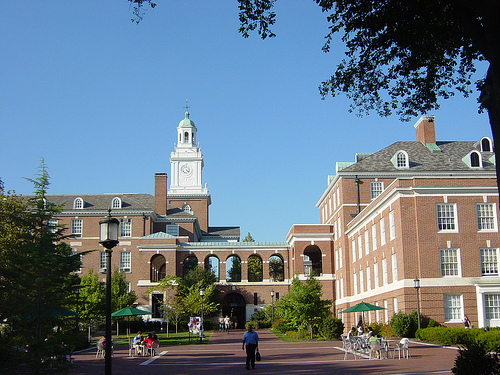
Maryland organizes its psychology research into three themes: brain and behavior, mental health, and social and cultural processes. The department carries above-average research funding and graduate-program placement rates for its undergraduates.
Accreditation: Accredited by MSCHE.
Tuition: ~$41,186 per year out-of-state (2025-26). Confirm the current rate on Maryland’s site.
Acceptance rate: ~44% (moderately selective).
Program link: Maryland’s Psychology Department
43. University of Houston
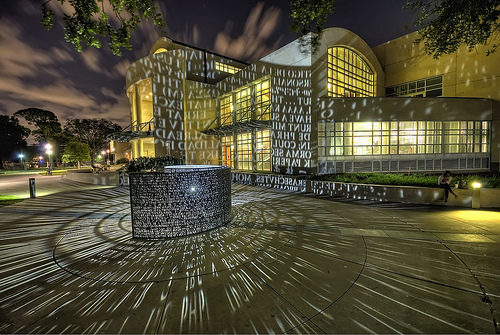
The University of Houston offers a B.A. or B.S. in Psychology. It actively encourages interdisciplinary and interdepartmental coursework, allowing students to tailor their degree toward a specific career goal rather than following a single fixed path.
Accreditation: Accredited by SACSCOC.
Tuition: ~$22,547 per year out-of-state (2025-26). Confirm the current rate on the University of Houston’s site.
Acceptance rate: ~57% (moderately selective).
Program link: University of Houston’s Psychology Department
44. University of Tennessee, Knoxville
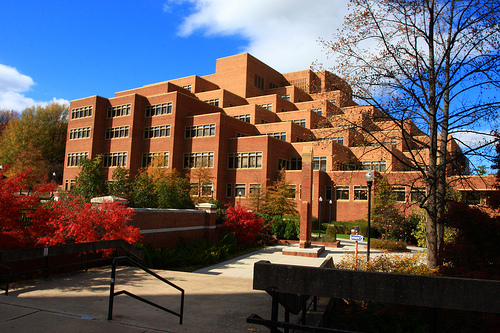
Psychology is among the most popular majors at UT Knoxville, and students have access to a wide range of scientific research facilities, as well as encouragement to pursue off-campus research internships during their undergraduate years.
Accreditation: Accredited by SACSCOC.
Tuition: ~$33,256 per year out-of-state (2025-26). Confirm the current rate on UT Knoxville’s site.
Acceptance rate: ~44% (moderately selective).
Program link: UT Knoxville’s Psychology Department
45. George Washington University

GW’s smaller student and faculty population, combined with resources typical of a much larger university, gives psychology majors an unusually early chance to establish a research concentration in cognitive neuroscience, industrial-organizational psychology, or a mind-brain-studies minor.
Accreditation: Accredited by MSCHE.
Tuition: ~$69,780 per year (2025-26). Confirm the current rate on GW’s site.
Acceptance rate: ~46% (moderately selective).
Program link: GW’s Psychology Department
46. University of Kansas
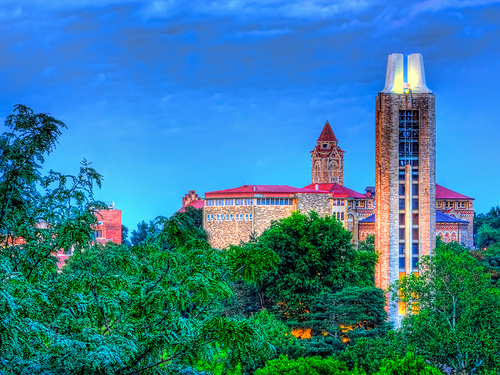
Psychology is KU’s most popular undergraduate major, and the department focuses on giving students a personalized path toward either graduate study or a direct career in a psychology-adjacent field.
Accreditation: Accredited by the HLC.
Tuition: ~$30,432 per year out-of-state (2025-26). Confirm the current rate on KU’s site.
Acceptance rate: ~90% (broadly accessible).
Program link: KU’s Psychology Department
47. Iowa State University
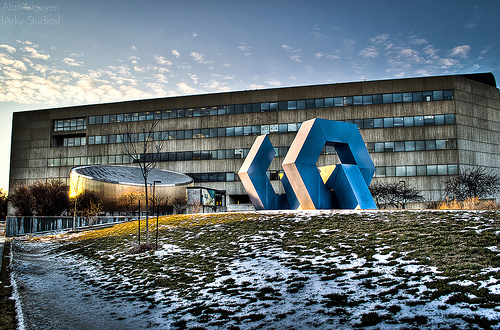
Iowa State’s psychology program takes an intentionally exploratory approach, walking students through the different subfields of psychology and the career paths tied to each one before they commit to a narrower research focus.
Accreditation: Accredited by the HLC.
Tuition: ~$28,881 per year out-of-state (2025-26). Confirm the current rate on Iowa State’s site.
Acceptance rate: ~89% (broadly accessible).
Program link: Iowa State’s Psychology Department
48. University of the South, Sewanee
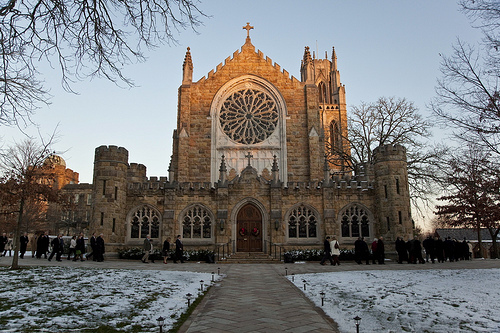
Sewanee’s small student population means psychology majors get sustained one-on-one guidance from faculty, with hands-on research experience and help lining up internships built directly into the program rather than left for students to arrange on their own.
Accreditation: Accredited by SACSCOC.
Tuition: ~$56,120 per year (2025-26, comprehensive fee, single published rate). Confirm the current rate on Sewanee’s site.
Acceptance rate: ~59% (moderately selective).
Program link: Sewanee’s Psychology Department
49. Brandeis University
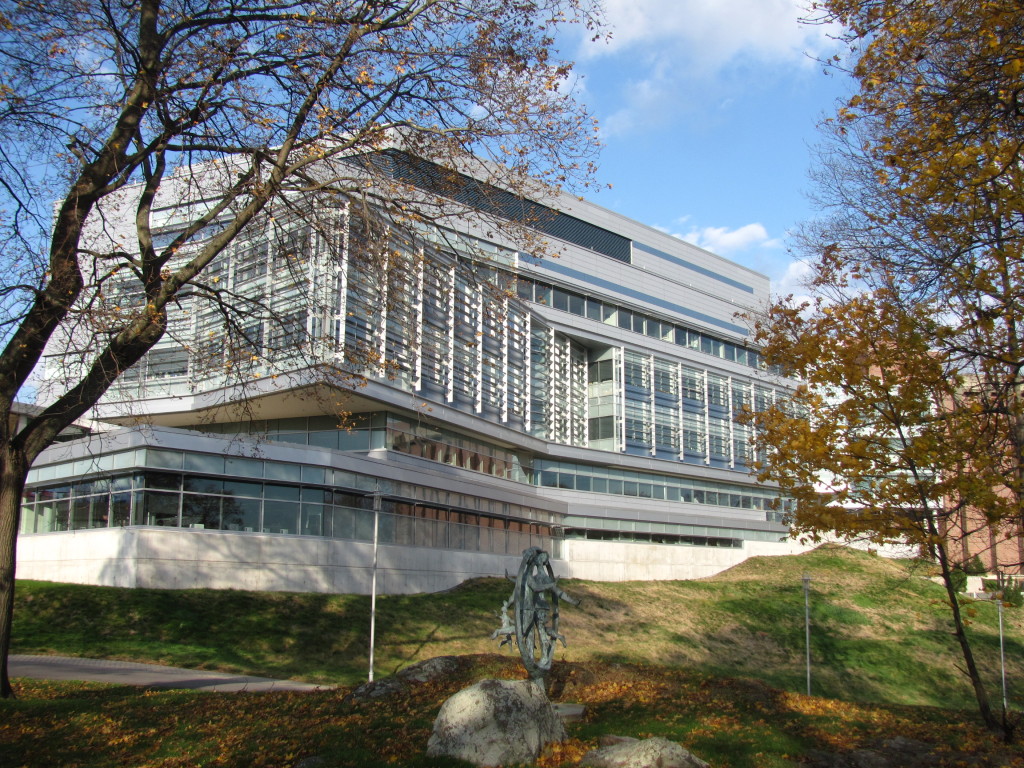

Brandeis offers clinical-track psychology students hands-on placements in mental health facilities, and it funds undergraduate research grants and research poster competitions run in partnership with campus psychology clubs.
Accreditation: Accredited by NECHE.
Tuition: ~$69,934 per year (2025-26). Confirm current rate on Brandeis’ site.
Acceptance rate: ~35% (moderately selective).
Program link: Brandeis’ Psychology Department
50. Purdue University, West Lafayette
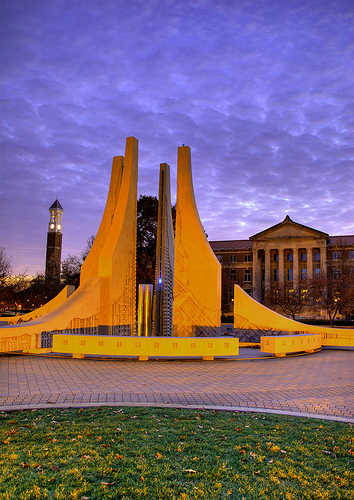
Purdue’s scale gives its psychology department access to substantial research resources and health-facility affiliations, and the department prioritizes tailoring coursework to individual student interests and goals.
Accreditation: Accredited by the HLC.
Tuition: ~$28,794 per year out-of-state (2025-26, tuition frozen for the 14th consecutive year). Confirm the current rate on Purdue’s site.
Acceptance rate: ~53% (moderately selective).
Program link: Purdue’s Psychology Department
What to Look For in a Psychology Program
A few things matter more than a school’s rank on any single list. First, confirm the school’s institutional accreditation is current and recognized. This matters for credit transfer, financial aid, and graduate-school recognition, though transferability decisions ultimately rest with the receiving institution. Note that APA accreditation covers health service psychology programs, doctoral programs, internships, and postdoctoral residencies, not bachelor’s degrees. A psychology B.A. or B.S. is never “APA-accredited.” Look at the institution’s accreditor instead.
Second, look past the sticker price. Public universities typically charge two to three times more for out-of-state students than in-state residents, so a school that looks expensive at first glance may be far more affordable if you qualify for in-state tuition, reciprocity agreements, or need-based aid. Several schools on this list, including Johns Hopkins, now offer free or reduced tuition to domestic students with incomes below certain thresholds.
Third, weigh the degree of flexibility. If you’re not sure whether you want a research-heavy path or a more applied one, look for a department that offers both a B.A. and a B.S., or one with named concentrations, so you can adjust your focus without transferring.
Finally, look for evidence of real undergraduate research access: named labs, research assistantships, honors programs, or funded summer research, rather than relying on a school’s general reputation. A smaller department with clear undergraduate research pathways can offer more hands-on experience than a famous one where undergraduates rarely get lab time.
Acceptance rate is worth a glance, but treat it as a rough signal of overall selectivity, not a psychology-specific number; departments don’t publish major-level admit rates, and the campus-wide figure is the best available proxy.
Frequently Asked Questions
Do I need to attend a top-ranked psychology program to become a psychologist?
No. Becoming a licensed psychologist depends mainly on your later graduate education, supervised clinical hours, and state licensing exam, not your undergraduate school’s name recognition. Graduate admissions committees do care about your GPA, research experience, and letters of recommendation, and a strong record at a less famous school with real research opportunities can outperform a mediocre record at a well-known one.
Is a B.A. or a B.S. in Psychology better for graduate school?
Neither is inherently better. Graduate admissions committees look at the specific coursework, research experience, and statistics preparation behind the degree, not the letters on the diploma. Choose based on whether you want a more liberal-arts-heavy curriculum or one with more math and lab science.
How much does a psychology bachelor’s degree typically cost?
It varies enormously by school type. Public in-state tuition on this list runs as low as the high single thousands per year, while private university tuition can exceed $70,000 annually before financial aid. Out-of-state tuition at public universities usually falls somewhere in between. Always check a school’s own net price calculator, since sticker price and what most students actually pay can differ substantially.
Can I transfer into a top psychology program from another school?
Many of the schools on this list accept transfer students into their psychology programs, though competitive schools often have stricter transfer GPA requirements and limited space. Contact the specific department’s undergraduate advising office to ask about transfer credit policies before applying, since psychology coursework doesn’t always transfer credit-for-credit between schools.
Related list: 50 Most Affordable Selective Small Colleges for a Psychology Degree
Select your state below to find accredited psychology programs, application links, and licensing requirements for your jurisdiction.